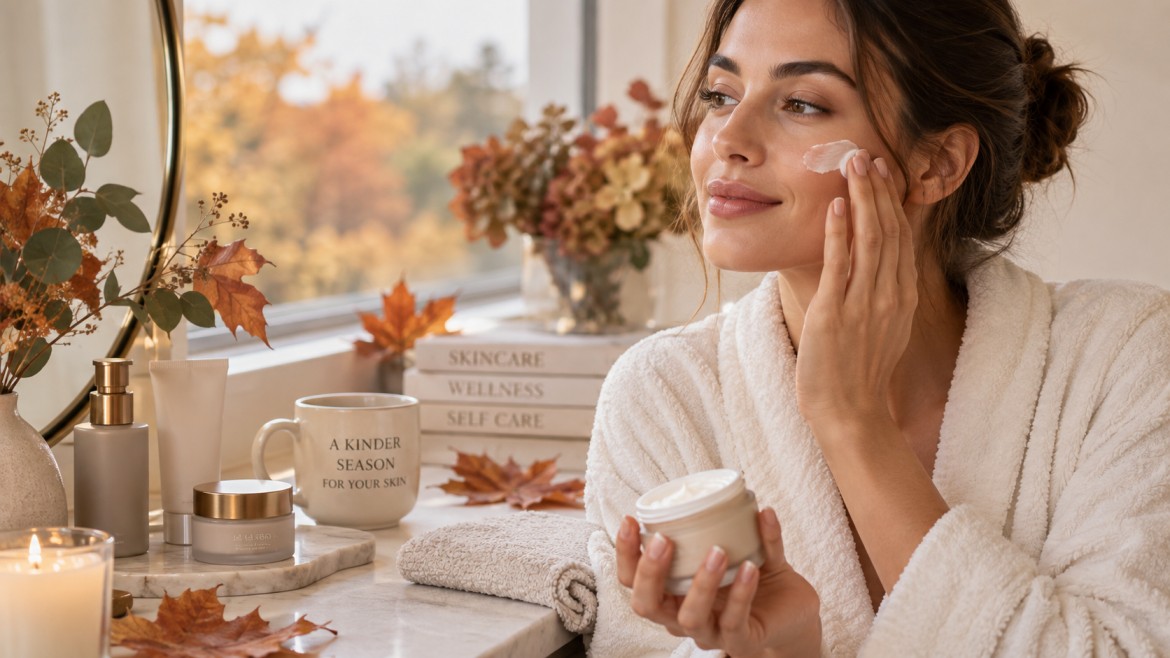
How to Choose the Best Facial for Your Skin Type
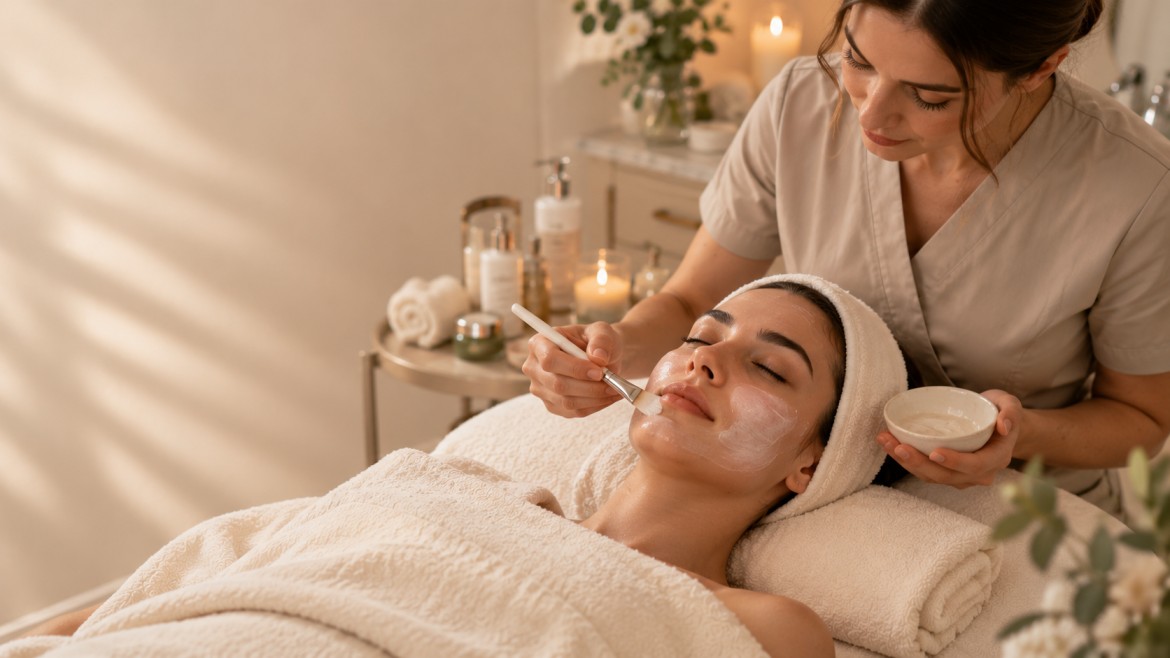
Choosing a facial can feel surprisingly complicated. With so many treatments available, it is easy to wonder whether you need a hydrating facial, deep-cleansing treatment, exfoliating facial or something more targeted.
The best facial for your skin type isn’t necessarily the most intensive treatment or the one currently trending online. Your skin type, current condition, lifestyle and specific concerns should all be considered before choosing a treatment.
Dry skin may need a different approach from oily or congested skin, while sensitive skin may require particularly careful treatment selection. Combination skin can be more complicated because different areas of the face may have different needs.
At Si Belle Beauty in Banstead, professional facial treatments can be selected according to your individual skin and treatment goals. This guide explains the key factors to consider before booking, helping you have a more informed conversation with your beauty therapist.
Quick Answer: What Is the Best Facial for My Skin Type?
The best facial depends on your individual skin type, concerns and treatment goals. Dry skin may benefit from a hydration-focused facial, while oily or congested skin may suit a carefully selected cleansing or exfoliating treatment. Sensitive skin generally requires a gentler approach. A professional consultation can help determine the most appropriate option.
Why Your Skin Type Matters When Choosing a Facial
A facial isn’t simply about choosing the treatment with the most impressive name.
Different skin types can respond differently to cleansing, exfoliation, masks and active ingredients. Dermatology guidance also recognises several broad skin types, including dry, oily, combination, normal and sensitive skin. (American Academy of Dermatology)
This is why a treatment that works well for one person isn’t automatically the right choice for another.
When selecting a facial, consider:
- Your underlying skin type
- Your current skin condition
- Your main skincare concerns
- Your sensitivity
- Your existing skincare routine
- Any recent professional treatments
- What you want from the appointment
Your skin can also change over time, so the facial that suited you a year ago may not necessarily be the best option today.
How to Identify Your Skin Type
Before choosing a facial, it helps to understand your skin.
Dry Skin
Dry skin can feel:
- Tight
- Rough
- Flaky
- Uncomfortable
- Less supple
If your skin regularly feels dry, a treatment focused on hydration and comfort may be worth discussing.
Oily Skin
Oily skin can appear shiny or greasy and may be more prone to congestion.
However, oily skin still needs hydration. Dermatologists specifically caution against excessively harsh cleansing because irritation can make oily skin appear worse. (American Academy of Dermatology)
Combination Skin
Combination skin usually means some areas are oily while others are drier.
The T-zone — forehead, nose and chin — may be more prone to oiliness, while the cheeks may feel comparatively dry.
This means a facial may need to take the different areas of your face into account.
Sensitive Skin
Sensitive skin may sting, burn or become uncomfortable after using certain products. (American Academy of Dermatology)
If your skin is particularly reactive, tell your therapist before treatment so the approach can be considered carefully.
H3: Normal Skin
Normal skin tends to be relatively balanced and less prone to excessive dryness or oiliness.
Even so, you may still have specific concerns such as dullness, dehydration or uneven texture.
What Is the Best Facial for Dry Skin?
If your skin feels dry or dehydrated, a facial focused on hydration, nourishment and gentle skincare may be appropriate.
The aim shouldn’t be to aggressively exfoliate dry skin simply because it looks flaky.
In fact, excessive exfoliation can contribute to irritation. Dermatologists recommend considering skin type when choosing an exfoliation method and avoiding over-exfoliation. (American Academy of Dermatology)
What to Look For in a Facial for Dry Skin
Depending on the treatment available, you may want to discuss:
- Hydrating products
- Gentle cleansing
- Moisturising masks
- Gentle exfoliation
- Skin comfort
- Barrier-supportive skincare
A professional can help determine which combination is suitable.
What Is the Best Facial for Oily Skin?
Oily skin can make people assume that the solution is simply to remove as much oil as possible.
That isn’t necessarily the case.
A facial for oily or congested skin should balance cleansing and exfoliation with maintaining the skin’s comfort.
Dermatologists recommend gentle cleansing rather than harsh scrubbing for oily skin, and note that moisturisation can still be important even when skin is oily. (American Academy of Dermatology)
What May Be Considered?
Depending on your skin, a professional may consider treatments involving:
- Thorough cleansing
- Appropriate exfoliation
- Targeted masks
- Hydration
- Congestion-focused skincare
If you’re experiencing persistent or significant acne, a cosmetic facial shouldn’t replace professional medical advice.
For a more specific discussion, see our guide to the best facial for acne-prone skin.
What Is the Best Facial for Combination Skin?
Combination skin can be particularly difficult to manage because different areas have different needs.
You may have an oily T-zone but dry cheeks, for example.
That means a facial should ideally take your overall skin condition into account rather than treating your entire face as though it has exactly the same needs.
Why Personalisation Matters for Combination Skin
A professional treatment can consider the differences between areas of the face.
Your therapist can also discuss how your home skincare routine may be affecting your skin.
What Is the Best Facial for Sensitive Skin?
Sensitive skin requires a more cautious approach.
If products regularly cause stinging, burning or irritation, tell your therapist before your facial.
A gentler treatment may be more appropriate than an aggressive exfoliating treatment.
Common Mistake: Assuming Stronger Means Better
One of the biggest skincare misconceptions is that a stronger treatment automatically produces better results.
That’s not necessarily true.
If your skin becomes irritated, continuing to increase treatment intensity may not be appropriate.
Professional skincare should be about finding the right level of treatment for your skin.
What Is the Best Facial for Mature Skin?
Mature skin can experience changes in hydration, texture and the appearance of fine lines over time.
A suitable facial may focus on:
- Hydration
- Skin comfort
- Texture
- Nourishment
- A healthy-looking complexion
If you’re specifically interested in treatments aimed at improving the appearance of ageing skin, discuss your expectations with your therapist.
It’s important to have realistic expectations from cosmetic treatments. No single facial can address every sign of ageing, and professional skincare works best when it complements an appropriate home routine. (American Academy of Dermatology)
What About Acne-Prone Skin?
Acne-prone skin requires particular care when choosing a facial.
The treatment should take into account your current skin condition rather than simply trying to exfoliate or extract as much as possible.
If you have persistent, painful or severe acne, or if your skin is developing scarring or significant pigmentation, speak to an appropriate healthcare professional.
For a more detailed look at this topic, read: What Is the Best Facial for Acne-Prone Skin?
How to Choose a Facial Based on Your Skin Concern
Your skin type is only one part of the decision.
You should also consider what you’d like to achieve from the treatment.
| Skin concern | Treatment approach to discuss |
|---|---|
| Dryness | Hydration-focused facial |
| Dull-looking skin | Gentle exfoliation and radiance-focused care |
| Oiliness | Cleansing and balancing approach |
| Congestion | Targeted cleansing and appropriate exfoliation |
| Sensitivity | Gentle, comfort-focused treatment |
| Uneven texture | Appropriate exfoliation or targeted skincare |
| Mature-looking skin | Hydration, nourishment and skin-rejuvenation options |
This isn’t a prescription or universal treatment guide. Your skin’s current condition should always be considered.
Why a Personalised Facial May Be Better Than a One-Size-Fits-All Treatment
There is no single facial that is perfect for everyone.
A personalised approach allows the treatment to consider factors such as your skin type, current concerns and treatment preferences.
This can be particularly useful if you’re:
- Having a facial for the first time
- Unsure of your skin type
- Experiencing seasonal skin changes
- Trying to address several concerns
- Changing your skincare routine
- Unsure which treatment to book
Rather than asking “Which facial is the strongest?”, a better question is:
“Which facial is appropriate for my skin right now?”
Common Mistakes When Choosing a Facial
Choosing a Facial Because It Is Trending
A treatment trending on social media may not be suitable for your skin.
Assuming More Exfoliation Is Better
Over-exfoliation can cause irritation and discomfort. (American Academy of Dermatology)
Ignoring Your Existing Skincare
Tell your therapist what products you’re using, particularly if they contain active ingredients that can increase sensitivity.
Trying a New Treatment Immediately Before an Important Event
If you’ve never had a particular treatment before, give yourself enough time to see how your skin responds.
Expecting One Facial to Solve Every Concern
Professional facials can support a skincare routine, but they aren’t a substitute for appropriate medical care or consistent home skincare.
How to Prepare for Your Facial
Before your appointment:
- Make a note of your main skin concerns.
- Tell your therapist about your current skincare routine.
- Mention recent treatments.
- Tell them about any known sensitivity.
- Avoid experimenting with lots of new products immediately beforehand.
- Ask questions if you’re unsure about treatment suitability.
A simple, consistent skincare routine is also important between professional appointments. Dermatologists generally recommend gentle cleansing, appropriate moisturisation and sun protection as part of everyday skincare. (American Academy of Dermatology)
Facial Treatments in Banstead at Si Belle Beauty
If you’re searching for facial treatments in Banstead, choosing the right service should begin with your skin rather than simply the treatment name.
Si Belle Beauty offers professional beauty and skincare treatments designed to form part of a wider self-care and skincare routine.
If you’re unsure which facial is suitable, discuss your skin type, concerns and expectations with the team before booking.
Looking for a thoughtful skincare gift?
Give someone special the freedom to choose their own Si Belle Beauty experience, from relaxing facials to beauty and wellness treatments.
Frequently Asked Questions
What is the best facial for my skin type?
The best facial depends on your skin type, current condition and treatment goals. Dry, oily, combination and sensitive skin may each require different approaches, so professional guidance can be useful if you’re unsure.
Which facial is best for dry skin?
A hydration-focused facial may be suitable for dry or dehydrated skin, depending on its current condition. Gentle cleansing and moisturisation may be prioritised over aggressive exfoliation.
Which facial is best for oily skin?
Oily skin may benefit from a treatment focused on appropriate cleansing and exfoliation, but harsh treatment isn’t necessarily better. Your therapist can assess your skin before recommending a suitable approach.
What is the best facial for sensitive skin?
Sensitive skin generally benefits from a gentler approach. Tell your therapist about any sensitivity or products that cause irritation before your appointment.
Can I have a facial if I have acne?
Some professional facials may be suitable for acne-prone skin, but treatment should depend on the condition of your skin. Persistent or severe acne should be discussed with an appropriate healthcare professional.
How do I know what skin type I have?
Dryness, oiliness, sensitivity and combination patterns can give you an indication, but skin can change over time. If you’re unsure, a professional assessment or advice from a dermatologist can help.
How often should I get a facial?
There is no universal schedule. Many people choose regular professional facials as part of their skincare routine, but frequency should depend on the treatment and your individual skin.
Should I have a facial before an important event?
If it’s a treatment you’ve had before and know suits your skin, you can plan it around your normal routine. For a new treatment, it’s generally sensible to avoid leaving the appointment until immediately before the event.
Final Thoughts
Choosing the best facial for your skin type isn’t about finding the strongest or most popular treatment. It’s about understanding what your skin needs and selecting a treatment that makes sense for your current condition and goals.
Dry skin may call for a hydration-focused approach, while oily or congested skin may benefit from carefully selected cleansing and exfoliation. Sensitive skin generally needs a gentler approach, while combination skin may require attention to different areas of the face.
Most importantly, your skin can change. Seasonal weather, lifestyle, skincare products and age can all affect how your skin behaves.
At Si Belle Beauty in Banstead, a professional conversation can help you understand your treatment options before you book. If you’re ready to explore facial treatments suited to your skin, contact Si Belle Beauty or book an appointment to discuss your needs.
Popular Posts